Elisabeth Reynés Overcomes Dyslexia to Finish First Runner-Up at Miss World 2026
admin
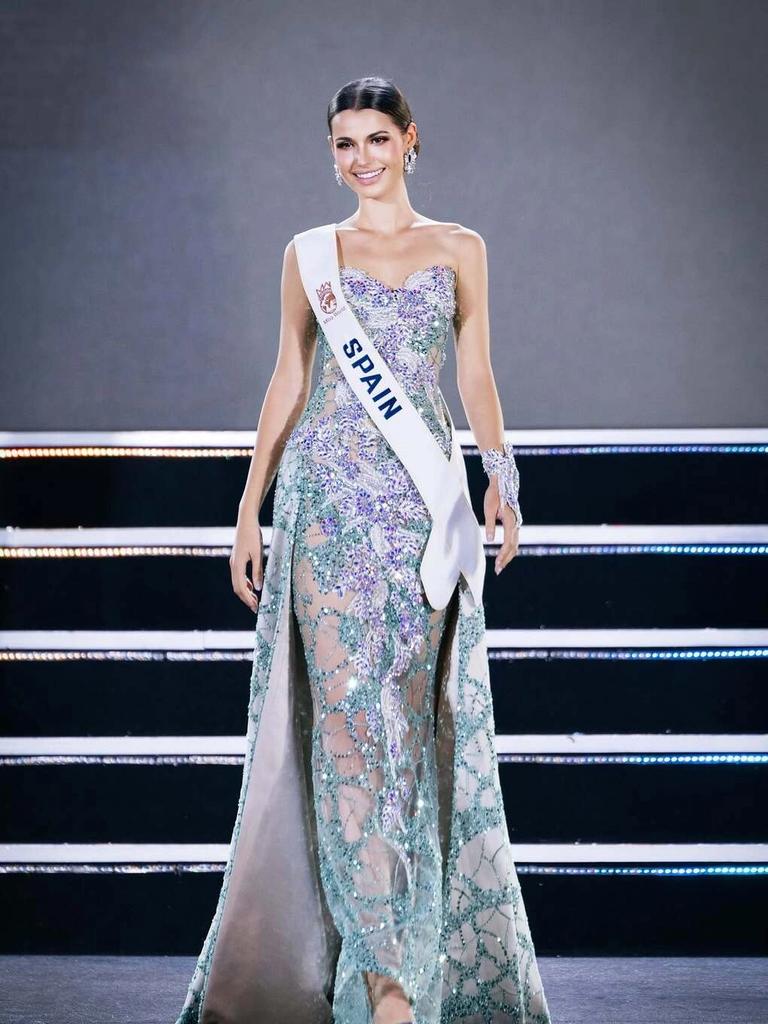
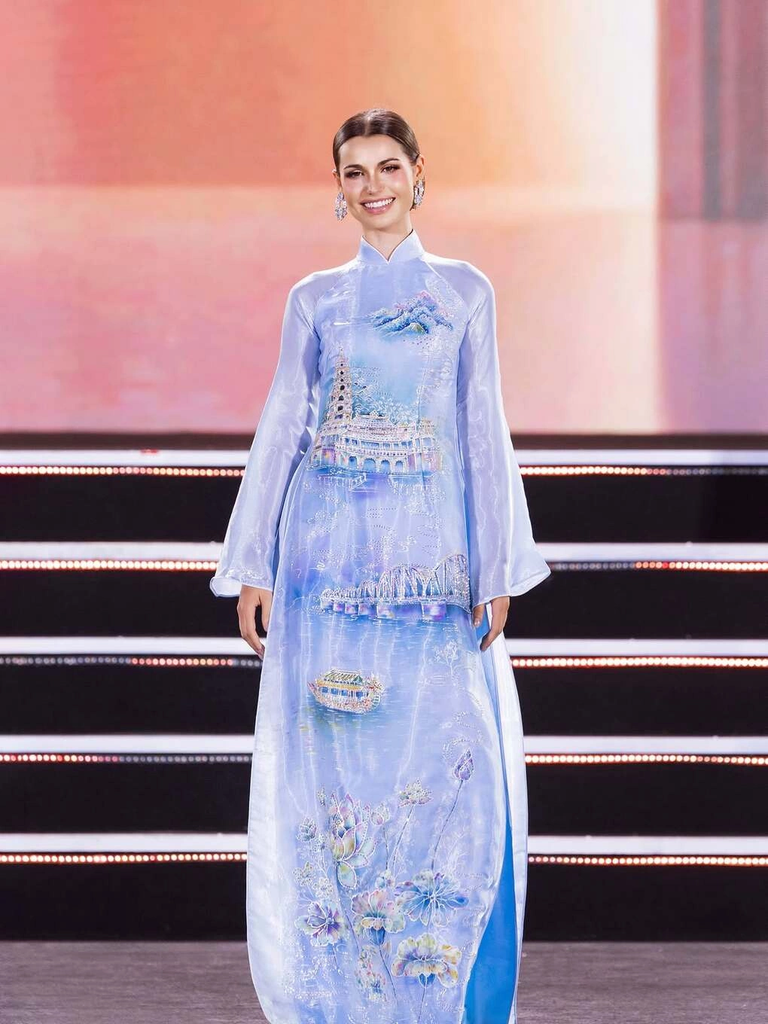
Spanish beauty queen Elisabeth Reynés turned a lifelong challenge with dyslexia into one of the most memorable stories of Miss World 2026, finishing as first runner-up at the international pageant held in Vietnam.
The 22-year-old representative of Spain placed second during the Miss World 2026 grand final on September 5 in Nha Trang, Khanh Hoa. Her result ranks among Spain’s strongest performances in the competition, following Mireia Lalaguna’s historic Miss World victory in 2015.
Beyond her final placement, Reynés attracted attention for the personal story behind her humanitarian work. Having lived with dyslexia since childhood, she has used her growing public profile to raise awareness about learning differences and encourage children to recognize that there is no single path to academic success.
Elisabeth Reynés emerges as a standout at Miss World 2026
Reynés was not initially considered one of the strongest favorites entering the competition. However, her performances improved steadily throughout the event, helping her gain momentum as the final approached.
In the days leading up to the finale, several international pageant platforms began including the Spanish contestant among their names to watch. Pageant Circle, for example, predicted that Reynés could reach the Top 15.
Her eventual first runner-up finish exceeded many early expectations.
Miss World’s official website describes Reynés as approachable, authentic and curious about the world around her. Spanish publication Ultima Hora has also highlighted her friendly personality, preparation and serious approach to representing her country on the international stage.
Those qualities became increasingly visible as the competition progressed.
From Mallorca to the international pageant stage
Elisabeth Reynés was born and raised in Palma, the capital of Mallorca in Spain’s Balearic Islands.
Standing 1.71 meters tall, she has a background closely connected to hospitality and tourism. Reynés graduated in accommodation management and is currently studying hotel management at the University of the Balearic Islands.
Her interests extend well beyond pageantry.
She speaks Catalan and English and is currently learning German and Swedish. She is also interested in graphic design, fashion, music, travel and painting.
Music has been part of her life as well. Reynés plays the viola, while her performance during the Miss World talent competition allowed her to demonstrate her dancing abilities.
The combination of education, languages, creativity and community involvement became an important part of the profile she presented at Miss World.
Dyslexia becomes the focus of her humanitarian mission
One of the defining elements of Reynés’ Miss World journey was her decision to speak openly about dyslexia.
Rather than treating the condition simply as part of her personal history, she developed a social project centered on helping children and families understand learning differences.
Reynés has explained that dyslexia is something she has lived with since birth.
Her own experience eventually became the foundation for the humanitarian platform she presented first as Miss World Spain and later on the international Miss World stage.
Before traveling to Vietnam, Reynés said she hoped to use the global visibility of the competition to expand awareness of the project.
That goal received another boost in May, when Miss World announced that she had been appointed an ambassador for DISFAM, an international organization that supports people with specific learning difficulties, including dyslexia.
Her Miss World final answer draws from a family connection
Reynés’ personal story also played an important role during the question-and-answer portion of the Miss World 2026 final.
When contestants were asked whom they would choose to meet for advice about their humanitarian projects, Reynés selected Josephine Baker.
Baker, the celebrated American-born performer who became famous in France, was also known for her humanitarian and social activism.
For Reynés, however, the answer had an additional family connection.
Her maternal grandmother, who was a countess and spoke several languages, once worked for Baker.
During her response, Reynés connected Baker’s life and values with her own advocacy work before bringing the discussion back to dyslexia.
The answer gave judges and viewers a clearer understanding of why the project was personally meaningful to her rather than simply being an initiative created for a beauty competition.
According to Ultima Hora, Reynés’ journey from Mallorca to an international stage reflects a larger story of overcoming personal barriers and learning how to turn those experiences into a source of strength.
Elisabeth Reynés has a notable family history
Reynés also comes from a family with an unusual international history.
She is the great-granddaughter of Swedish Count Carl Gustaf von Rosen, who lived from 1909 to 1977.
Von Rosen was an aviator known in part for humanitarian flights during the Biafran War in Nigeria. His missions helped transport food, medicine and other essential supplies to civilians affected by the conflict.
On her maternal side, Reynés’ grandmother also had an international background. In addition to her work with Josephine Baker, she was known for speaking several languages.
These family stories of international engagement, humanitarian activity and cultural exchange have become part of the wider narrative surrounding Reynés during her Miss World journey.
A children’s book inspired by learning differently
Reynés has also transformed her experience with dyslexia into a creative project for younger readers.
She wrote an interactive children’s book titled El Ritmo de las Letras, or The Rhythm of Letters, with illustrations created by her younger sister.
The book carries a simple message: children do not all learn in the same way, and a different learning process does not mean they are less capable.
That message closely reflects current understanding of dyslexia.
According to the International Dyslexia Association, dyslexia is a specific learning difficulty that primarily affects word reading and spelling. People with dyslexia may read less accurately or more slowly than others.
The condition is associated with neurological and genetic factors, but it is not an indication of low intelligence. Its characteristics and severity can also vary significantly from one individual to another.
For Reynés, this distinction is central to the message she wants young people to hear.
Community and environmental work beyond dyslexia
Although education and dyslexia awareness remain central to her Miss World project, Reynés has also participated in other social and environmental initiatives.
Her activities include efforts related to marine conservation as well as community support programs.
In July, she collaborated with Venbalears, an organization representing the Venezuelan community in the Balearic Islands, on a donation campaign for families facing difficult circumstances.
The initiative collected medicine, hygiene products, food, supplies for children and items for pets.
The project demonstrated another side of Reynés’ community involvement and complemented the education-focused work that became a major feature of her Miss World campaign.
A major achievement for Spain at Miss World
Reynés’ first runner-up finish gives Spain another significant result in the history of Miss World.
The country’s most famous achievement at the competition remains Mireia Lalaguna’s victory in 2015, when she became the first Spanish contestant to win the Miss World crown.
Reynés now joins the list of Spanish representatives who have reached the final stages of the international competition.
Founded in 1951, Miss World is one of the world’s longest-running international beauty pageants, alongside Miss Universe.
Over the decades, the competition has expanded beyond traditional beauty-pageant criteria, placing increased emphasis on education, communication skills and humanitarian initiatives through its Beauty With a Purpose program.
For Elisabeth Reynés, Miss World 2026 became an opportunity to connect those elements with a challenge she has understood throughout her own life.
Her first runner-up title brought international recognition, but her message extended beyond the final ranking.
By speaking publicly about dyslexia, supporting organizations working with people who have learning difficulties and creating educational materials for children, Reynés has sought to show that learning differently does not have to prevent someone from pursuing ambitious goals.
From a childhood shaped in part by dyslexia to representing Spain on the Miss World stage in Vietnam, her path has become a story not only about pageant success, but also about turning a personal obstacle into a platform for helping others.




Leave a Reply